Thermal Imaging in Agriculture: Crop Production and Animal Husbandry
In agriculture and precision farming, economic, ecological and social factors have become increasingly important. In this context, sustainable agriculture in terms of resource conservation and environmental compatibility, agrobiodiversity, plant protection and population supply are among the objectives. When it comes to animal husbandry, the focus lies on both animal welfare and environmental protection.


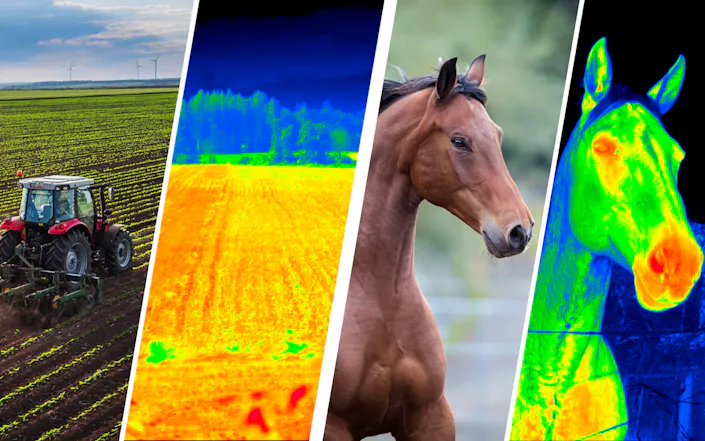


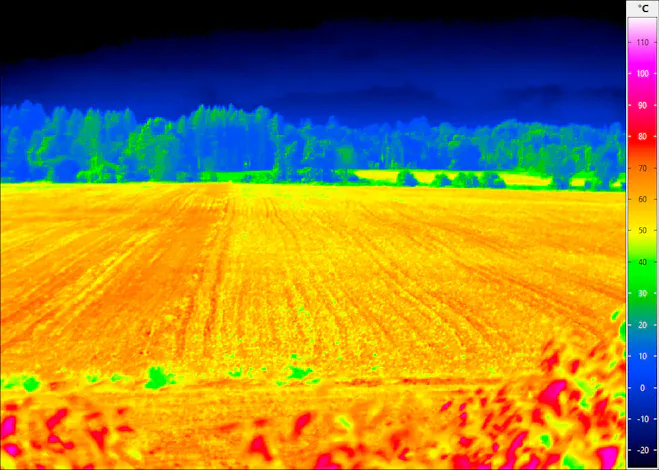

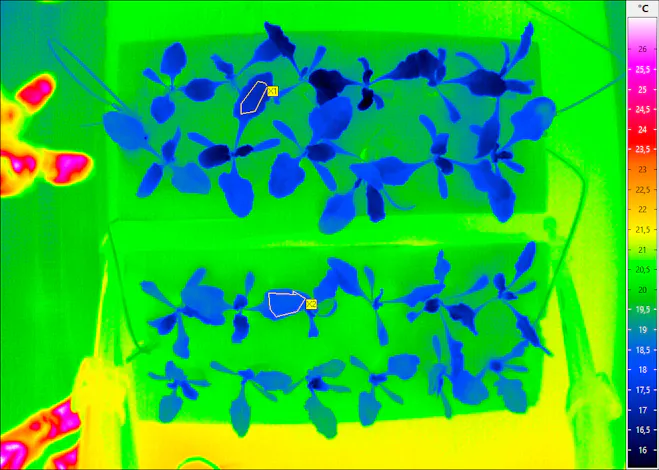


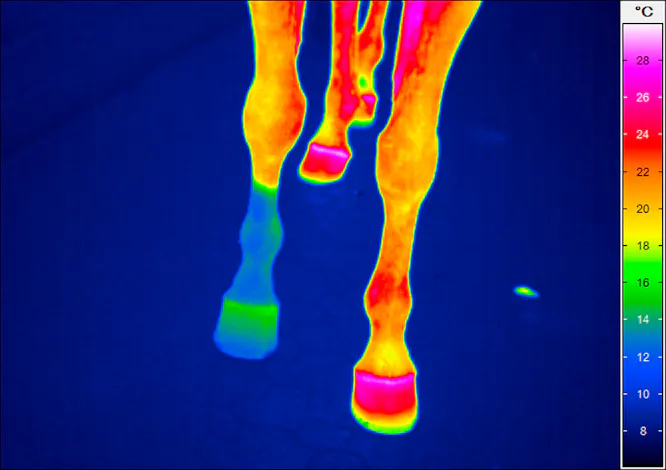
Thermal imaging can help to gain targeted knowledge, for example to promote the biodiversity of crops and to breed more robust varieties. When used in animal husbandry, thermal imaging allows conclusions to be drawn about animal health, among other things.
For many years, thermal imaging has therefore been established as a measurement method in agriculture. Both on the ground and from the air, it provides reliable data on the temperature distribution and allows a real-time assessment of the condition. In the context of precision farming, thermal imaging and agricultural research offers the opportunity of:
Recording different microclimatic conditions
Determining the yield capacity within a field
Drawing conclusions about plant development and health
Monitoring the storage of seeds and harvested products
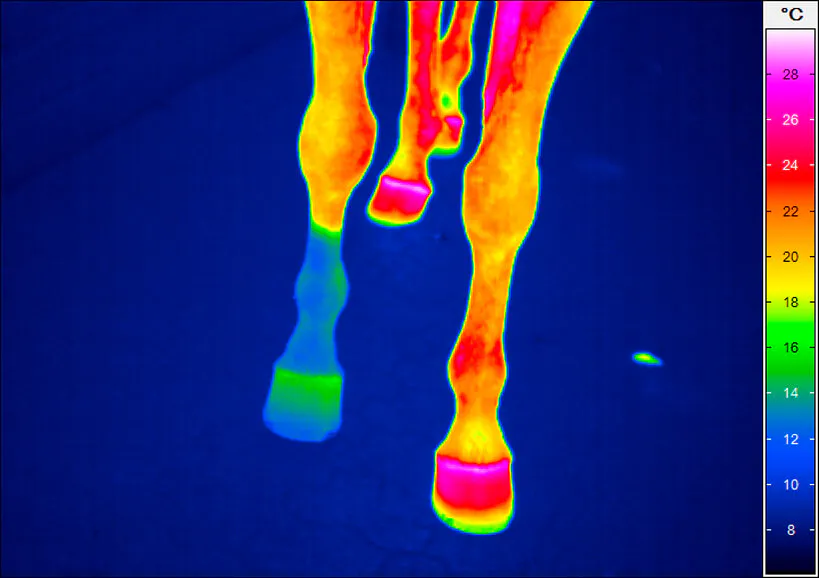
Infrared cameras are also used in livestock farming. Industrial animal breeding uses this measurement method, for example, to detect diseases at an early stage or to obtain general information about the animals' health condition.
All this happens without contact or influence on the plants and animals.
Online Events On Demand
Unlimited Flexibility in Thermal Imaging with Zoom
Motorized zoom lenses in general
Radiometric zoom lens specialties
Specific motorized zoom camera advantages
Applications for infrared zoom cameras in detail


Flow Analysis Using Thermal Imaging
General information about infrared thermography and presentation of different infrared camera techniques
Presentation of different flow types and how to measure them with thermography
Demonstration of different application possibilities, e.g.: aerodynamic optimisation, heat management industry, environmental research, geological research
Technical lecture “A Non-Intrusive Particle Temperature Extraction Methodology Using Infrared and Visible-Image Sequences for High-Temperature Particle Plumes”, Jesus D. Ortega, PhD, MSME, MBA / Anderson School of Business and School of Engineering, The University of New Mexico, USA

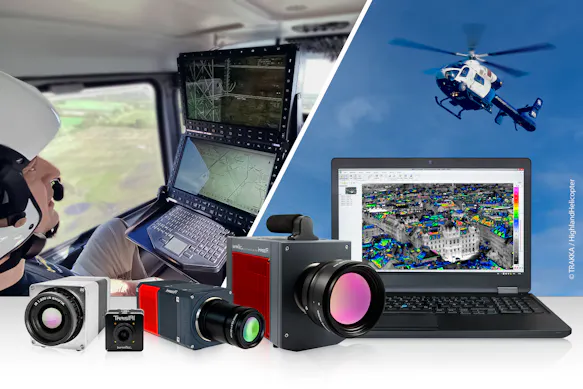
High-Resolution Aerial Thermography
Aerial thermography: Definition, benefits, types, presence and future
Applications for thermography in airborne remote sensing
Challenges of aerial thermography and technical requirements for an IR camera system
Complementary technical lectures
"The IGI EcoMapper – high-precision aerial survey in five spectral bands" from Dr. rer. nat. Jens Kremer, Manager R&D, IGI mbH, Germany
"Utility and Environmental Inspections" from Adam Boniecki, Business Development, Trakka Systems AB

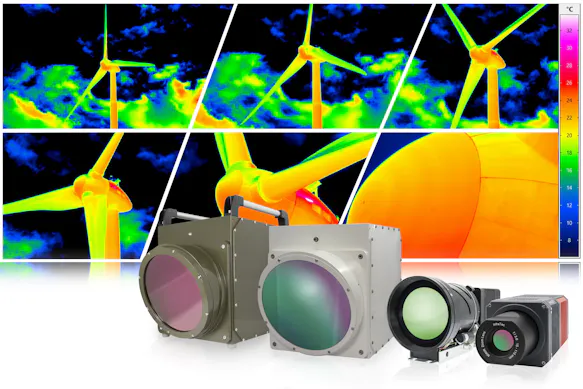
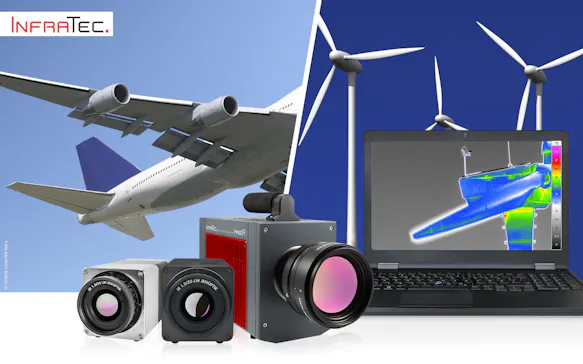
Applications for Thermal Imaging on Wind Power Systems
General information about infrared thermography and presentation of different infrared camera techniques
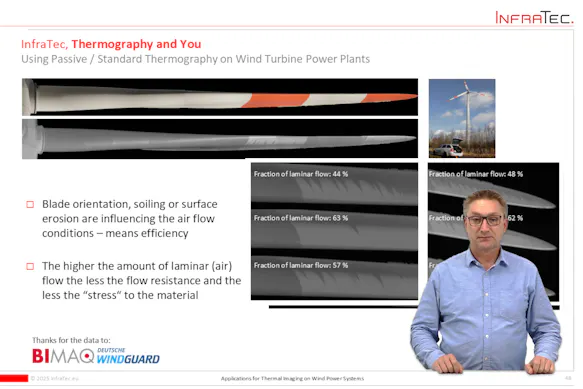
Monitoring wind turbine power plants by (passive) thermography
Principle & methods of active thermography and examples
Technical Lecture “Inspection of Wind Turbine Blades with Ground-based Passive Thermography” from Michael Stamm, Federal Institute for Materials Research and Testing (BAM)

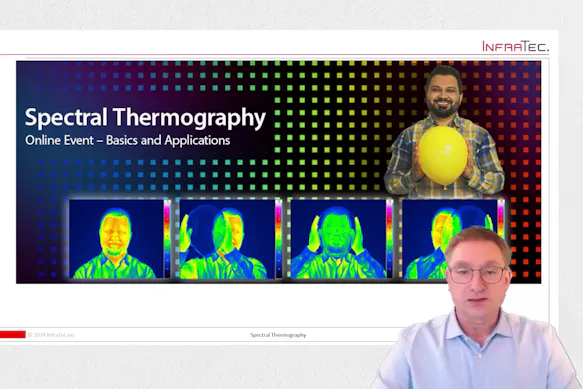
Spectral Thermography – Basics and Applications
General information about infrared thermography and InfraTec
Definition of spectral thermography
Advantages and challenges of spectral thermography
Specific camera system requirements for spectral thermography

Infrared Cameras for Plant Research
Growing crops such as cereals, beet or others is becoming increasingly challenging. Environmental conditions such as extreme heat, drought or persistent rainfall affect the health and growth of the plants. Therefore, the aim of certain research projects is to develop more resistant and robust varieties.
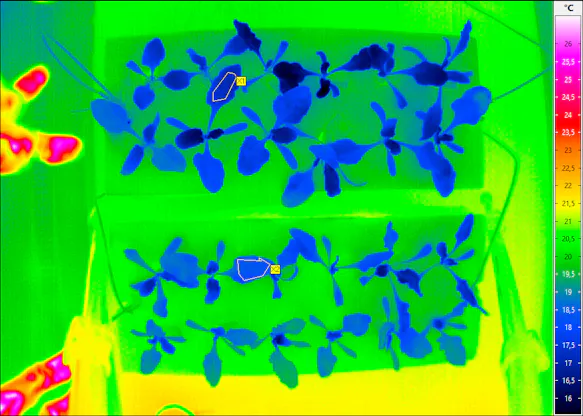
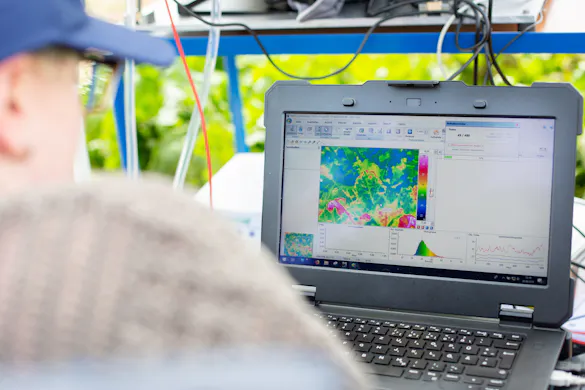
One way of doing this is to use infrared cameras. If plants are under drought stress, for example, their temperature changes compared to normal. It is therefore possible to measure the exact surface temperatures on the leaf and their distribution with the help of thermal imaging. The decisive factor here is transpiration, that means, the evaporation of water over the leaf surface.
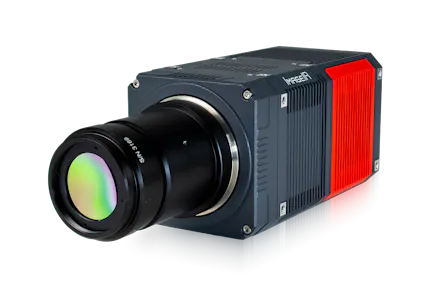
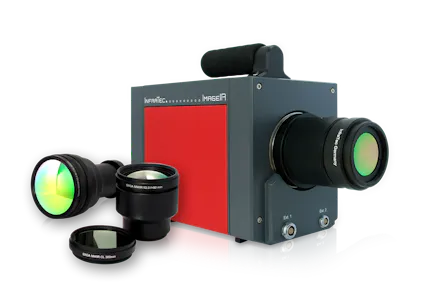
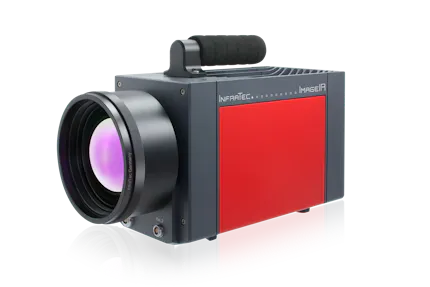
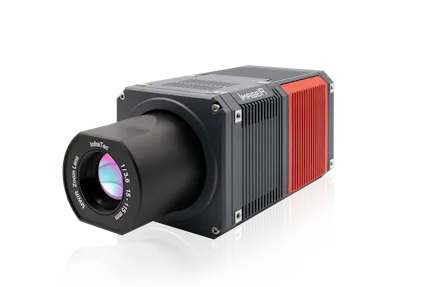
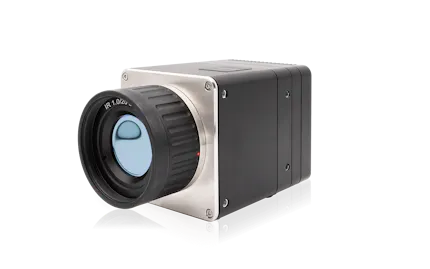
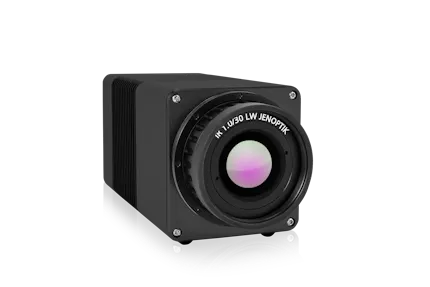
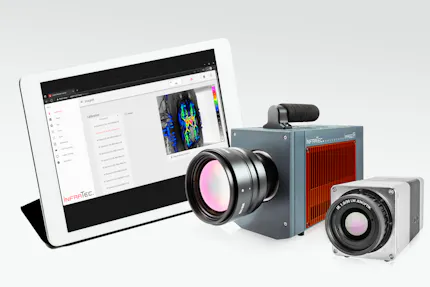
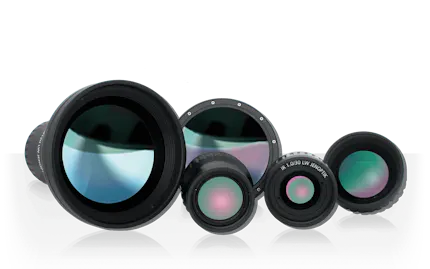
Heat is produced by all processes inside the plant. It is absorbed during the transpiration of water and released via the leaf surface. If there is too little water, this heat cannot be optimally dissipated, and the plant's temperature rises. Even the smallest temperature changes can then be detected with infrared cameras from InfraTec due to the high thermal resolution of up to 20 mK. One feature of the cameras is that they have different, fast interchangeable lenses. This makes it easy to adapt to almost any object size and distance in order to achieve optimal results.
The resulting research findings provide insights into how adaptable and robust a plant variety is and which varieties will continue to be bred. KWS SAAT SE & Co. KGaA uses an infrared camera from InfraTec for this purpose.

Thermal Imaging in Precision Agriculture
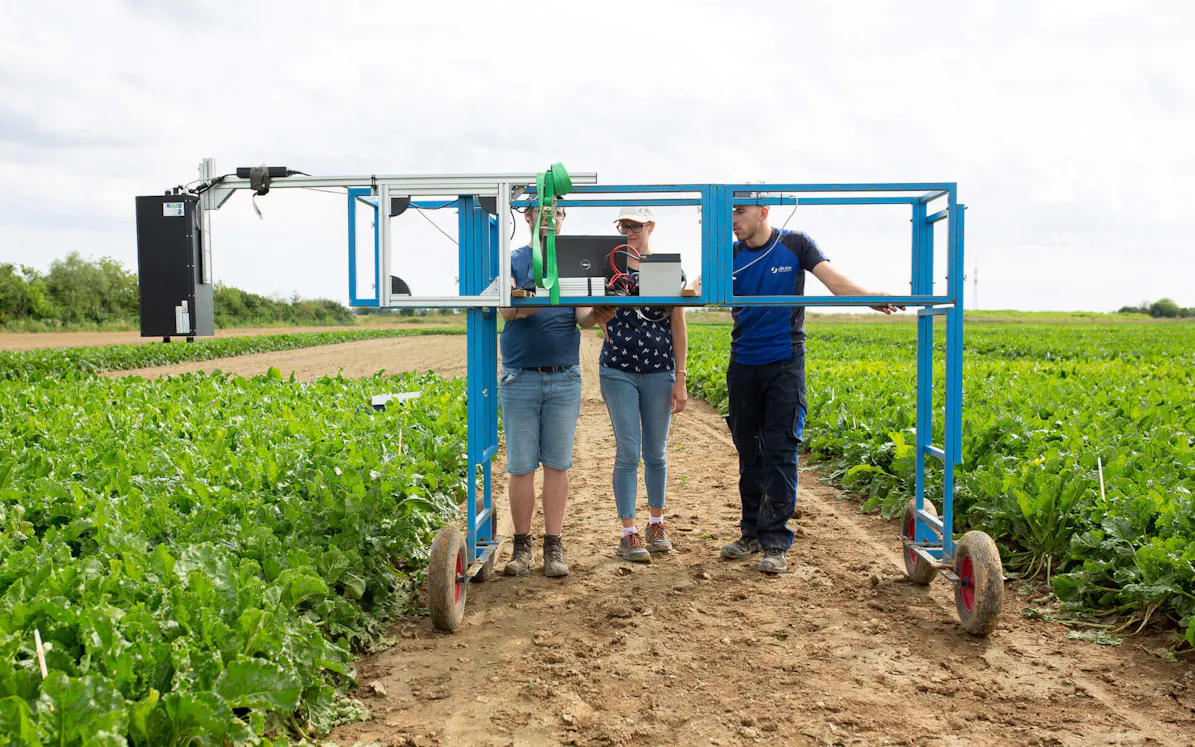
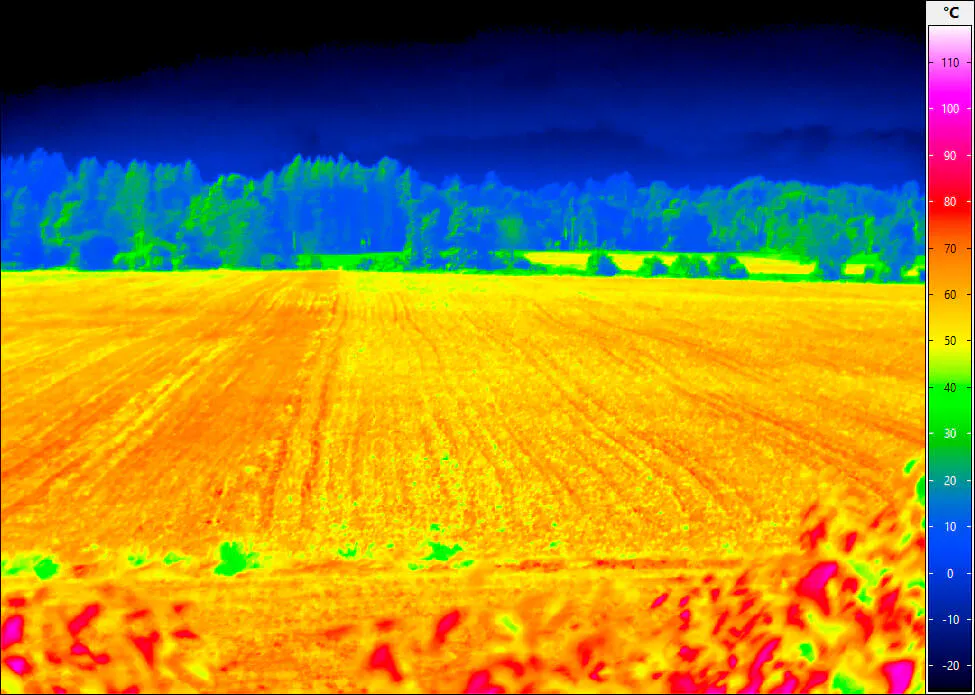
In plant condition analysis, so-called precision farming, the transpiration of the plants also plays a decisive role. As in plant research, leaf temperature is also measured here to obtain information about the water balance of the plants, but here aiming at growth control and optimisation as well as needs-based irrigation planning. InfraTec's thermography systems provide the benefits of a large detector format with (1,024 x 768) IR pixels or the innovative MicroScan technology, which enables images to be taken with (2,048 x 1,536) IR pixels and thus enables large-area observations.
Another field of application is the detection of plant diseases and pest infestations. The transpiration of a plant depends not only on external conditions such as wind, temperature and humidity, but also on the plant-specific surface properties. If a leaf is affected by pest infestation or a plant disease, the transpiration behaviour changes. This in turn becomes clear through the change in leaf temperature and can be measured with the help of an infrared camera. Here, too, InfraTec cameras detect the slightest differences in temperature. As a result, it is possible to react immediately to the infestation or disease and organise appropriate analyses and the use of plant protection products.
Quality Assurance in Potato Storage
Owing to their characteristics, potatoes place very high demands on storage with as little loss as possible. Their very high water content makes the earth tuber particularly susceptible to mould and rot. An additional challenge is the maintenance of a constant storage temperature. If the temperature is too low, the potato starch is converted into sugar; if the temperature is too high, too much water evaporates and the potatoes become wrinkled and start to sprout.
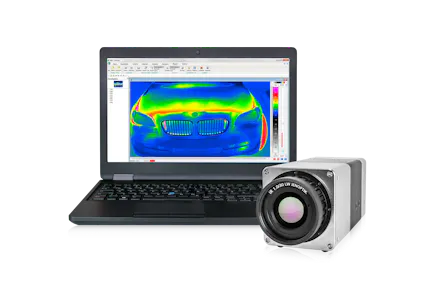
To ensure an optimal storage temperature, exact process control is necessary, which can be achieved with the help of thermal imaging, among other things. This is because infrared cameras make it possible to monitor large areas of the warehouse and detect even the slightest temperature changes due to their high measurement accuracy. The advantage of a thermal imaging camera over temperature sensors is that due to a geometrical resolution up to 3.1 megapixels, temperatures can be measured in much greater detail and more efficiently than with a point-by-point measurement. The cameras therefore provide an overall picture of local differences in temperature curves on the surface of the stored goods. The data obtained thus enables process optimisation and optimal climate control.
Animal Welfare: Thermal Imaging as Protection Against Accidents with Agricultural Machinery
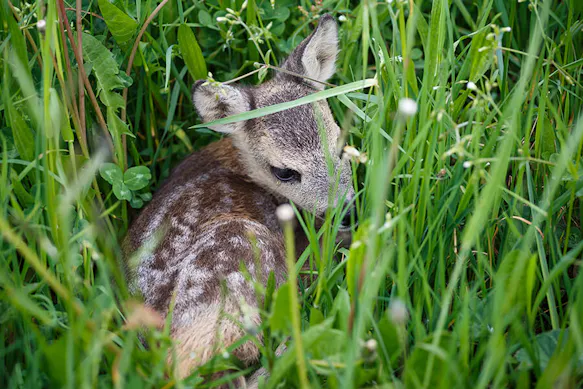
Every year, many wild animals fall victim to agricultural and harvesting machinery. Many farmers already use infrared cameras in combination with drones to protect the animals on the one hand and to prevent damage to the machines or even contamination of the crop on the other. With the help of the large detector formats of InfraTec's thermal imaging systems as well as the thermal sensitivity of up to 20 mK, wildlife accidents can be reliably avoided. Infrared cameras from InfraTec detect the animals on the ground and transmit the images in real time to the output device. Hence, appropriate relocation measures can be initiated immediately.


Animal Husbandry: For the Welfare of the Animals
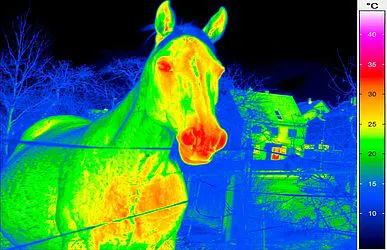
Infrared cameras allow the very precise measurement of the body temperature of animals. Especially in the field of animal breeding, monitoring the state of health is important. The smallest changes in body temperature can be an indication of developing diseases and enable immediate intervention.















Would You Like to Know More?
It is not unusual for tasks to be associated with special requirements. Discuss your specific application needs with our specialists, receive further technical information or learn more about our additional services.